Blogger news

lunedì 21 ottobre 2013

OASI DI CERVARA - LA SELVA DEI GUFI

Eccomi qui, con un'altra parte sull'Oasi di Cervara, e secondo me la più bella, oggi  andremo ad "incontrare" e conoscere i gufi!!! (i gufi sono uno dei miei animali perferiti... passione ereditata dalla mamma!!

***

Here I am, with another part about the Oasi of Cervara, and for me the most beautiful, today we're going to "meet" and learn about owls!(owls are one of my favourite pet ... passion inherited from my mom!)


(Testi tratti dal sito dell'Oasi di Cervara www.oasicervara.it)

Tutti conoscono i Gufi, o almeno così sembra.
Fin dall'asilo, sfogliando un libro sugli animali, i bambini imparano presto a riconoscere la sagoma del gufo appollaiato sul ramo. Ma quante persone, anche adulte, saprebbero distinguere con sicurezza una Civetta da un Barbagianni, un Allocco da un Gufo comune?

Diverse specie di "gufi" conducono la loro esistenza a breve distanza dalle nostre case ma, volando e cacciando coperti dalle tenebre, è come se abitassero un mondo parallelo al nostro.
Riuniti nell'ordine degli strigiformi, allocchi, gufi e barbagianni rappresentano tessere importanti nel puzzle della biodiversità e per questo meritano di essere conosciuti e tutelati.

L'Oasi ha avviato il progetto de La Selva dei Gufi con l'obiettivo di sviluppare il primo centro italiano dedicato alla conoscenza dei rapaci notturni, sia attraverso attività didattiche e divulgative rivolte alle scuole e ai visitatori, come in occasione della mostra Gufi & Civette, sia attraverso l'incontro ravvicinato con alcune specie di notturni nel fine settimana in occasione de Il Volo dei Gufi.

***

Everyone knows the Owls, or so it seems .Since kindergarten, reading a book about animals, children learn early to recognize the shape of the owl perched on branch. But how many people, even adults, they would know reliably distinguish one from a Barn Owl, a Tawny Owl from a common?Several species of "owls" have their being a short distance from our homes but, flying and hunting covered by darkness, it is as if they lived a world parallel to our own.Gathered in the order of owls, tawny owls, barn owls and weaving are important in the puzzle of biodiversity and for that deserve to be known and protected.The Oasis has started the project of "La Selva Owls" with the goal of developing the first Italian center dedicated to the understanding of nocturnal birds of prey, either through educational and promotional activities for schools and visitors, as on the occasion of the exhibition "Owls' show" and through the close encounter with some sort of nightlife at the weekend on the occasion of "the Flight of the Owls".


IL GUFO COMUNE

Il gufo comune, è un rapace notturno, lungo 35 cm, con un'apertura alare tra gli 87 e i 94 cm, è caratterizzato da occhi di colore giallo  arancio e da due vistosi ciuffi (quando il gufo è tranquillo e sazio i ciuffi sono alzati, quando è nervoso invece sono abbassati).

 
Vive di preferenza nelle foreste di conifere e nei boschi misti alternati a zone aperte, dove occupa cavità d'alberi, nidi di corvi, gazze e scoiattoli.
Le prede catturate dai gufi sono: piccoli mammiferi, uccelli e invertebrati, piccoli abitanti del bosco (come insetti, ghiri, topi) e vengono inghiottite intere; i peli ed altri parti indigeste  sono rigettate più tardi  sotto forma di pallottole.


Il gufo ha abitudini strettamente notturne (vede anche di notte, i suoi occhi approfittano del minimo bagliore) e se ne sta ben nascosto e  immobile nelle ore di luce fino al crepuscolo; in quel momento inizia il suo volo silenzioso a non molta altezza dal suolo in cerca di preda. Può volare in pieno giorno quando è stato disturbato e riesce a catturare degli uccelli anche se il sole brilla sulla neve.
Sebbene gli occhi siano immobili nelle orbite, la visione notturna è buona e l'angolo visivo  ridotto è compensato dalla grande mobilità del collo: che può ruotare fino a 270°. 

***

The long-eared owl, nocturnal bird of prey is a 35 cm long, with a wingspan between 87 and 94 cm, is characterized by yellow-orange eyes and two conspicuous tufts (when the owl is quiet and satisfied the tufts are raised, when he's nervous however are lowered).

Preferably living in coniferous forests and mixed forests interspersed with open areas, where it occupies cavities of trees, nests of crows, magpies and squirrels.The prey captured by owls are: small mammals, birds and invertebrates, small inhabitants of the forest (such as insects, dormice, mice) and are swallowed whole; hair and other indigestible parts are rejected later in the form of bullets.


The owl is strictly nocturnal habits (see also at night, his eyes glow advantage of the minimum) and if it is well hidden and motionless during daylight hours until dusk, at which time begins its silent flight with not much ground clearance on the prowl. It can fly in broad daylight when he was disturbed and fails to capture the birds even if the sun shines on the snow.Although the eyes are motionless in their sockets, night vision is good and the view angle is reduced offset by the high mobility of the neck that can rotate up to 270°.


Nella prossima "puntata" vedremo.... no non ve lo dico... passate a trovarmi e lo scoprirete!!
***
In the next "episode" we'll see .... I will not tell ... pass to visit me and find out! 

lunedì 14 ottobre 2013

OASI DI CERVARA - IL MULINO

Ed eccomi a proseguire il mio racconto sulla bellissima Oasi di Cervara, oggi vi vado a "raccontare" la storia del bellissimo mulino che accoglie le persone all'ingresso ....

***

And here I am to continue my story of the beautiful Oasis of Cervara, today I'm going to "tell" the story of the beautiful mill that welcomes people at the entrance ....

(Testi tratti dal sito dell'Oasi di Cervara wwww.oasicervara.it)


Del Mulino di Cervara esistono riferimenti storici che ne documentano l’attività già nel 1325.

Questo edificio ha attraversato gli ultimi sette secoli trasformandosi in funzione delle esigenze del lavoro e delle tecniche dell’arte molitoria rimanendo produttivo sino agli inizi del ‘900 quando, progressivamente, venne abbandonato.

Con il passare del tempo andarono distrutti gli impianti, le ruote e quanto altro costituiva l’attrezzatura interna, cosicché il mulino venne adibito a magazzino e stalla, finché il Comune di Quinto lo acquistò agli inizi degli anni ’80.

***

Of Cervara's Mill historical references exist that document the activities already in 1325.
This building has gone through the last seven centuries transformed according to the demands of work and the techniques of milling remaining production until the early 900's, when, gradually, was abandoned. With the passage of time the plants were destroyed, the wheels and everything else was the internal equipment, so that the mill was used as a warehouse and stable, as long as the municipality of Quinto bought it in the early 80s.


Il progetto di restauro, avviato dal Comune di Quinto nel 1992, comprendeva lavori di ristrutturazione esterna e di consolidamento statico del fabbricato.
A tale scopo si rese necessario deviare temporaneamente il corso del fiume per ottenere il prosciugamento dell’area attorno al Mulino e realizzare una nuova base d’appoggio utilizzando dei micropali infissi nel terreno.

In seguito, vennero ricostruite ex-novo le due ruote in legno di rovere e furono messi a punto i congegni meccanici necessari allo sfruttamento della forza idraulica. Si recuperarono i macchinari d’epoca restaurati: la macina in pietra per la farina del mais e la più recente macina a cilindri.
A completamento del restauro si intervenne sugli affreschi, esterni ed interni, restituendo le opere al primitivo splendore.
Oggi, il Mulino è visitabile del pubblico durante gli orari di apertura dell’Oasi.

***

The restoration project, which was launched in 1992 by the Comune di Quinto di Treivso, included exterior renovations and static consolidation of the building. For this purpose it was necessary to temporarily divert the course of the river in order to obtain the drainage of the area around the Mill and realize a new support base using micropiles fixtures in the ground. As a result, were rebuilt from scratch on two wheels in oak and were developed mechanical devices required for the use of hydraulic power. It recovered the machinery restored period: the millstone for maize flour mill and the latest in cylinders. Upon completion of the restoration of the frescoes intervened, external and internal, returning the works to its original splendor. Today, the mill is open to the public during the opening hours of the Oasis.


Continua...
To be continued...

domenica 13 ottobre 2013

OASI DI CERVARA


Oggi vista la bella giornata, ho deciso di approfittarne e di andare a fare una sessione di fotografia in mezzo alla natura, pensa che ripensa, come meta alla fin fine ho deciso l'Oasi di Cervara....


***

Today views the beautiful day, I decided to take advantage of it and go take a photo session in the middle of nature, thinks that rethinks, as destination in the end I decided the Oasi of Cervara ...


(Testi tratti dal sito dell'Oasi di Cervara wwww.oasicervara.it)


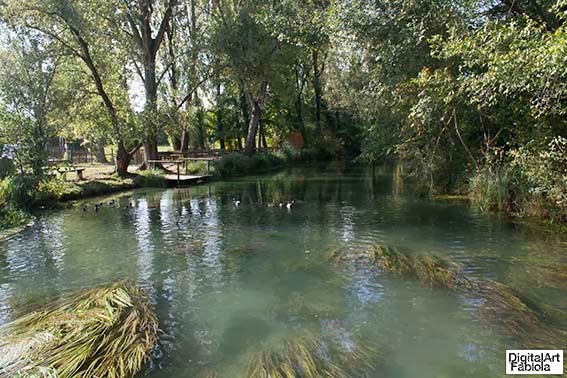
L’Oasi Naturalistica del Mulino Cervara è una riserva naturale che tutela un ambiente palustre di eccezionale bellezza.
La Palude di Cervara si estende per 25 ettari e rappresenta uno dei principali punti di accesso al Parco naturale del fiume Sile.
L’Oasi è situata a Santa Cristina di Quinto di Treviso ed ha la forma di un’isola compresa tra i corsi del fiume Sile e del torrente Piovega. Al suo interno sono presenti numerose polle alimentate da acque di risorgiva che contribuiscono a dare vita al corso del Sile.


***

The Natural Oasis of Cervara Mill is a nature reserve that protects a marshy environment of exceptional beauty.
The Marsh of Cervara covers 25 hectares and is one of the main access points to the Natural Park of the River Sile.
The Oasis is located in Santa Cristina di Quinto di Treviso and has the shape of an island between the courses of the river Sile and the river Piovega.
Inside there are several polle fed by spring waters that help give life to the river Sile.


L’Oasi di Cervara è un biotopo di elevato pregio naturalistico inserito dalla Regione Veneto nella Rete Natura 2000 come Sito di Interesse Comunitario (SIC) e Zona di Protezione Speciale (ZPS) per il rifugio della fauna selvatica e la conservazione della flora spontanea del Sile.
L'Oasi di Cervara non è una riserva rivolta solo a naturalisti e birdwatchers: è un’area naturale fruibile da famiglie con bambini, scolaresche e da tutti coloro che ricercano un contatto con la natura. Allo stesso tempo, l’Oasi non è nemmeno uno zoo: il parco ospita soprattutto specie animali che vivono allo stato selvatico. Nell’Oasi è possibile anche osservare alcune specie che sono oggetto dei loro progetti, e che accudite in condizioni controllate, consentono al pubblico emozionanti incontri ravvicinati.
***

L'Oasi di Cervara is a habitat of high natural value added by the Veneto Region in the Natura 2000 Network as a Site of Community Interest (SCI) and Special Protection Area (SPA) for the wildlife refuge and conservation of the natural flora of the Sile.
L'Oasi di Cervara is not a spare directed only to naturalists and birdwatchers: it is a natural enjoyed by families with children, students and all those who are looking for a contact with nature.
At the same time, the Oasis is not even a zoo, the park is mostly home to animal species living in the wild. In the oasis you can also observe some species that are the subject of their projects, and that taken care of in controlled conditions, allow the audience exciting close encounters.


LA PANTANA


Poco oltre il Mulino, lungo il sentiero principale dell’Oasi, si incontra la Cavana, il ricovero delle Pantane, le tipiche barche del Sile. L’economia delle aree palustri è stata da sempre sostenuta da una intensa attività legata alla pesca, alla raccolta delle cime della canna palustre (scoéte) e al taglio dello strame necessario all’allevamento del bestiame e all’artigianato locale. Tutte queste attività erano svolte lungo il fiume e nelle paludi grazie alla pantana, anche chiamata “A barca da Sil”: una imbarcazione con fondo piatto, prua e poppa mozze, che veniva spinta dal barcaiolo grazie alla “àtoea”, una pertica in legno di salice (selghèr) che, oltre ad essere leggero e resistente, aveva il pregio di essere facilmente reperito in loco.
Oggi, grazie al loro limitato impatto sull’ecosistema, le pantane permettono al visitatore attento di godere la palude di Cervara da una diversa prospettiva che, con tempi e ritmi lontani dalla civiltà dei motori, restituisce appieno tutti i suoi segreti e le sue suggestioni.


***

Just beyond the mill , along the main path of the Oasis , meets the Cavana , hospitalization of Pantane , the typical boats of Sile. The economy of the marsh areas has always been supported by an intense fisheries-related activities , the collection of the tops of the reeds ( scoéte ) and the need to cut litter livestock farming environment and craftsmanship . All these activities were carried out along the river and marshes due to pantana , also called " Sil A boat " : a boat with a flat bottom , bow and stern -off shotgun , which was pushed by the boatman thanks to the " àtoea " , a wooden pole willow ( selghèr ) that , in addition to being lightweight and durable , had the merit to be easily found on site. Today, due to their limited impact on the ecosystem , the greenshanks allow the attentive visitor to enjoy the swamp of Cervara from a different perspective, with timing and rhythm away from civilization engine , fully reflects all its secrets and its suggestions.
 
L'Oasi di Cervara, oltre che essere una meravigliosa oasi naturalistica, segue anche diversi progetti naturalistici...
per oggi vi parlerò del primo... (Nota della blogger)

PROGETTO: UN NIDO PER LE CICOGNE
L’Oasi di Cervara è impegnata nel progetto “Un nido per la Cicogna” per aiutare questa specie nel tornare a nidificare lungo l’alto corso del Sile. Dalla primavera del 2009, l’Oasi ospita all’interno di una grande voliera due coppie di Cicogna bianca (Ciconia ciconia) con lo scopo di invitare alla sosta le sempre più numerose cicogne selvatiche che sorvolano la nostra provincia.
La Cicogna bianca si nutre di piccoli vertebrati ed invertebrati che vivono all’interno di aree palustri e agricole di elevato interesse naturalistico. La presenza della Cicogna in libertà è quindi un indicatore di buona qualità ambientale e l’Oasi di Cervara sta creando le condizioni per stimolare i soggetti che annualmente transitano in questo territorio a sostare il più a lungo possibile ed a riprodursi. Dopo un tentativo sfortunato nel 2010 in cui una delle coppie non ha dimostrato la propria capacità di allevare la propria prole, nella primavera del 2011 entrambe le coppie in voliera si sono riprodotte e lo staff dell’Oasi ha prelevato ed allevato a mano 4 dei 5 pulcini schiusi nei due nidi, mentre un pulcino è stato lasciato con i genitori.
Tutti i piccoli sono sopravvissuti, compreso quello rimasto con i genitori e, al compimento del secondo mese di vita, anche i quattro giovani cresciuti dallo Staff sono stati inseriti nella voliera.
La voliera di Cervara, come un magnete, invita altre cicogne a sostare presso l’Oasi. Alcune hanno trascorso qui intere settimane, ma fino ad oggi non sono state registrate nidificazioni allo stato “selvatico”. Per aiutare la sosta e l’insediamento futuro di altre cicogne, nell’Oasi sono stati installate alcune piattaforme nido in posizione sopraelevata e vengono condotti interventi di manutenzione del verde per fermare il naturale processo di reimboschimento della palude a favore, invece, del mantenimento dei prati umidi.
***

L'Oasi di Cervara is involved in the " A nest for the Stork " to help this species in returning to nest along the upper course of the river Sile.
Since spring 2009 , the Oasis is home to a large aviary inside two pairs of White Stork ( Ciconia ciconia) in order to invite to stop the increasing number of wild storks flying over our province .The White Stork feeds on small vertebrates and invertebrates that live in marshy areas of high agricultural and natural interest.The presence of the stork in the wild is therefore a good indicator of environmental quality and the Oasis of Cervara is creating the conditions for increasing the subjects who annually pass through this territory to stand for as long as possible and to reproduce.After a failed attempt in 2010 when one of the couples has not demonstrated its ability to raise their offspring in the spring of 2011 both couples are reproduced in the aviary and the staff of the Oasis has drawn and hand-reared 4 of 5 chicks hatched in the two nests, while a chick was left with the parents.All children survived , including that remained with their parents and, at the end of the second month of life, even the four young men grew by management were included in the aviary .The aviary of Cervara , like a magnet, storks invite others to stand at the Oasis. Some have spent weeks at a time , but until now have not been recorded nesting to the " wild ".To help stop future and the settlement of other storks, Oasis have been installed in some platforms nest in an elevated position and carried out maintenance of the green to stop the natural process of reimboschimento in favor of the swamp, however, the maintenance of wet meadows.


Alla prossima puntata...